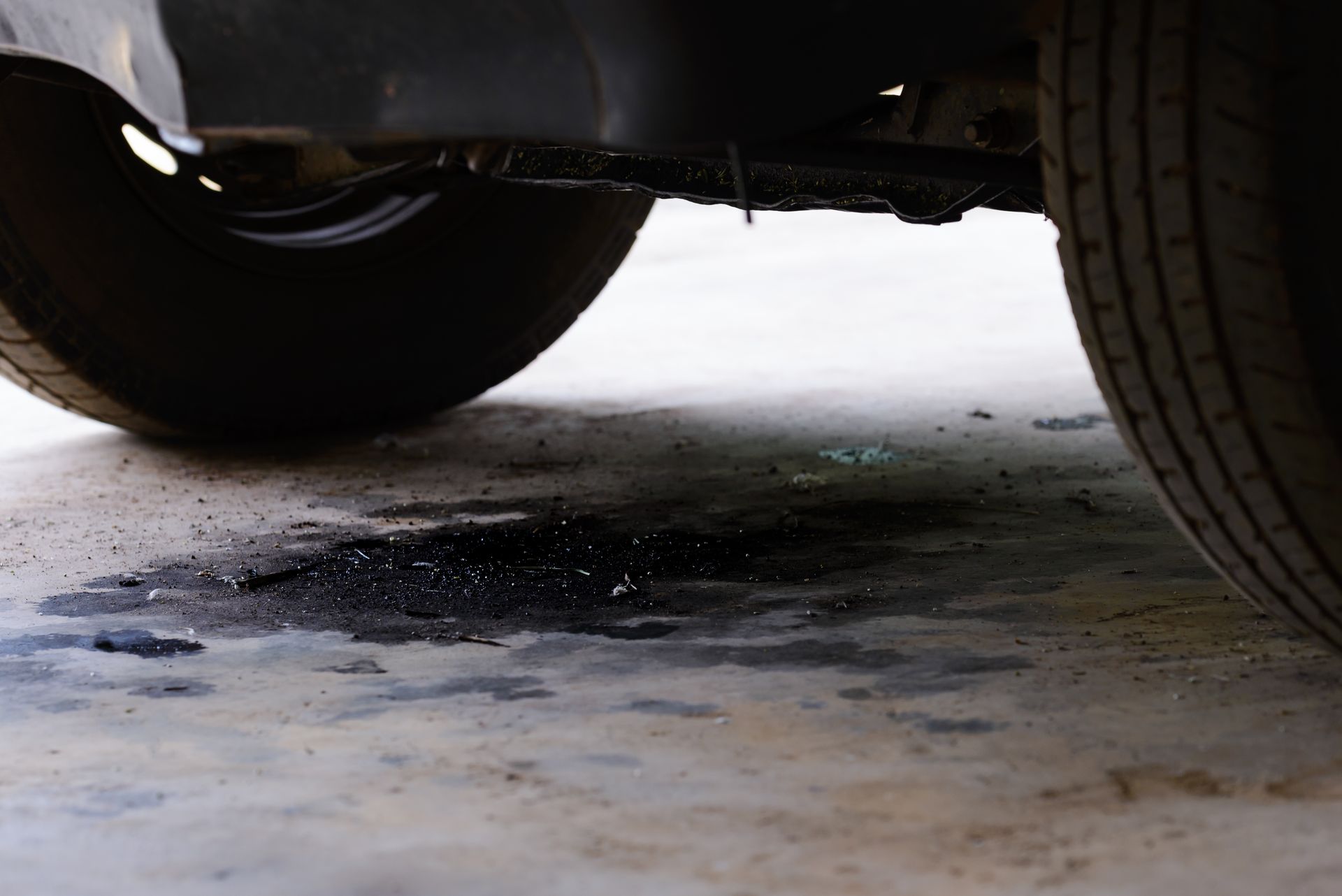
A small fluid spot under your car is easy to dismiss. It is tiny, the car still drives normally, and there is no warning light staring back at you from the dashboard. A lot of leaks begin that way, though, and the size of the spot on the ground does not always match the size of the problem developing above it.
That little mark is often the first sign that a seal, gasket, hose, or line has started to fail.
Why Small Leaks Get Ignored For Too Long
Drivers usually wait because the leak looks manageable. One drop here and there does not seem urgent, especially if the vehicle still starts, steers, and brakes the way it should. The trouble is that a fluid leak rarely stays at the same level for long. Pressure, heat, vibration, and daily driving keep pushing that weak point until the leak grows.
The location of the spot can be misleading, too. Fluid often travels along splash shields, crossmembers, and underbody panels before it reaches the ground. That means the drip you see on the driveway may not be directly below the part that is actually leaking. A proper inspection has to trace the leak back to its source rather than guessing from the puddle alone.
Which Fluids Deserve Immediate Attention
Some leaks are more serious than others, though none should be ignored for very long. Brake fluid, power steering fluid, coolant, transmission fluid, engine oil, and differential fluid each protect a different system. Once the level starts dropping, that system starts losing protection.
A few warning signs are worth paying close attention to:
- Red or pink fluid under the center or front of the vehicle often points toward transmission or coolant issues
- Dark brown or black fluid usually suggests engine oil leaking from a gasket, seal, or housing
- Clear to amber oily fluid near a wheel or under the master cylinder area raises concern for brake fluid loss
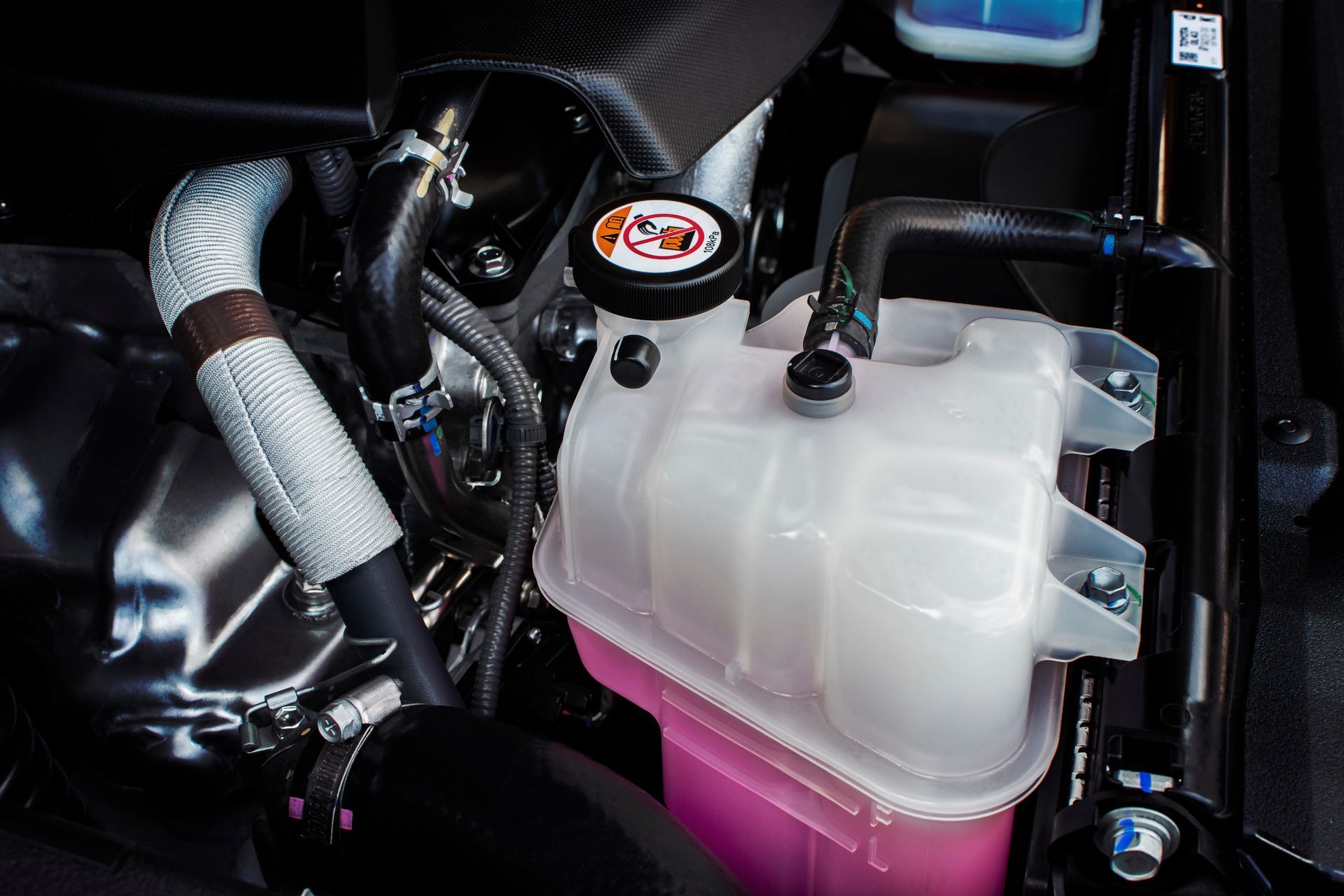
- Green, orange, or yellow fluid with a sweet smell usually points to coolant escaping from the cooling system
Those clues help narrow things down, though color alone is not enough to confirm the source. Age, contamination, and road grime change the way fluid looks once it starts leaking.
When A Small Spot Points To A Bigger Repair
A tiny leak can turn into a major repair when it affects a system that depends on pressure or an exact fluid level. A brake fluid leak does not need to be large before pedal feel changes. A coolant leak can cause the engine to run hotter than it should within a short time. An oil leak that seems harmless on the driveway can spread onto belts, wiring, and hot exhaust parts.
This is why leak size is only part of the story. The fluid type, the leak source, and where that fluid is landing all shape how serious the repair becomes. We have seen very small leaks lead to very expensive consequences when drivers waited for a larger puddle before taking action.
The Car Often Gives Other Clues
The spot on the ground is rarely the only hint. Most fluid leaks leave other symptoms behind if you know where to look. A low fluid level, faint odor, change in feel, or residue under the hood usually shows up before the problem becomes severe.
You might notice a burning smell after parking if engine oil is reaching a hot exhaust component. Coolant leaks often leave a sweet smell or light crusty residue around hoses and fittings. Steering fluid loss can make the wheel feel heavier or noisier, while transmission fluid leaks can cause slipping, delayed shifting, or rough engagement. Those patterns help connect the fluid spot to the system that is losing protection.
Why The Ground Spot Can Look Smaller Than The Real Leak
Not every leak drips continuously. Some only show up while the engine is running, when the system is hot, or when fluid pressure rises. Once the vehicle is parked, only a small amount reaches the ground, making the leak appear minor even though much more fluid had escaped during the drive.
Leaks can spread across a wide area underneath the vehicle before dripping from one low point. That is common with oil pans, valve covers, transmission pans, and coolant hoses routed across the engine bay. What lands on the driveway is often just the final drop in a much longer path. That is one reason guessing based on puddle size leads people in the wrong direction.
Waiting Usually Spreads The Damage
Fluid leaks tend to contaminate nearby parts as they grow. Oil softens rubber components and shortens belt life. Coolant leaks leave deposits and create an overheating risk. Brake fluid threatens both performance and safety. Transmission fluid loss leads to slipping and internal wear that gets costly fast.
This is exactly why regular maintenance catches so many leaks before they turn into larger repairs. A vehicle on the lift gives a technician a chance to spot wet areas, stained components, swelling hoses, and weakened seals before the system runs low. Once the fluid level drops far enough, the leak stops being a cleanup issue and becomes a repair that affects how the vehicle drives.
When It Is Time To Bring The Car In
If the same spot keeps showing up in the same general area, you already have enough information to get it checked. You do not need a large puddle, a warning light, or an obvious breakdown to justify a visit. Repeated drips mean something is failing, and no vehicle improves by losing fluid.
The smartest move is to have the source identified while the pattern is still small and controlled. That keeps the repair focused, protects the affected system, and helps prevent secondary damage from heat, friction, or low fluid level.
Get Fluid Leak Repair In Lombard, IL With Pit Shop Auto Repair
If you have noticed a fluid spot under your car, Pit Shop Auto Repair will find the source and fix it before that small leak spreads into bigger damage. A leak check now is a lot easier than waiting until fluid loss starts affecting performance or reliability.
Bring it in while that tiny spot is still an early warning.